How to layer a cover-up: resort style in practice
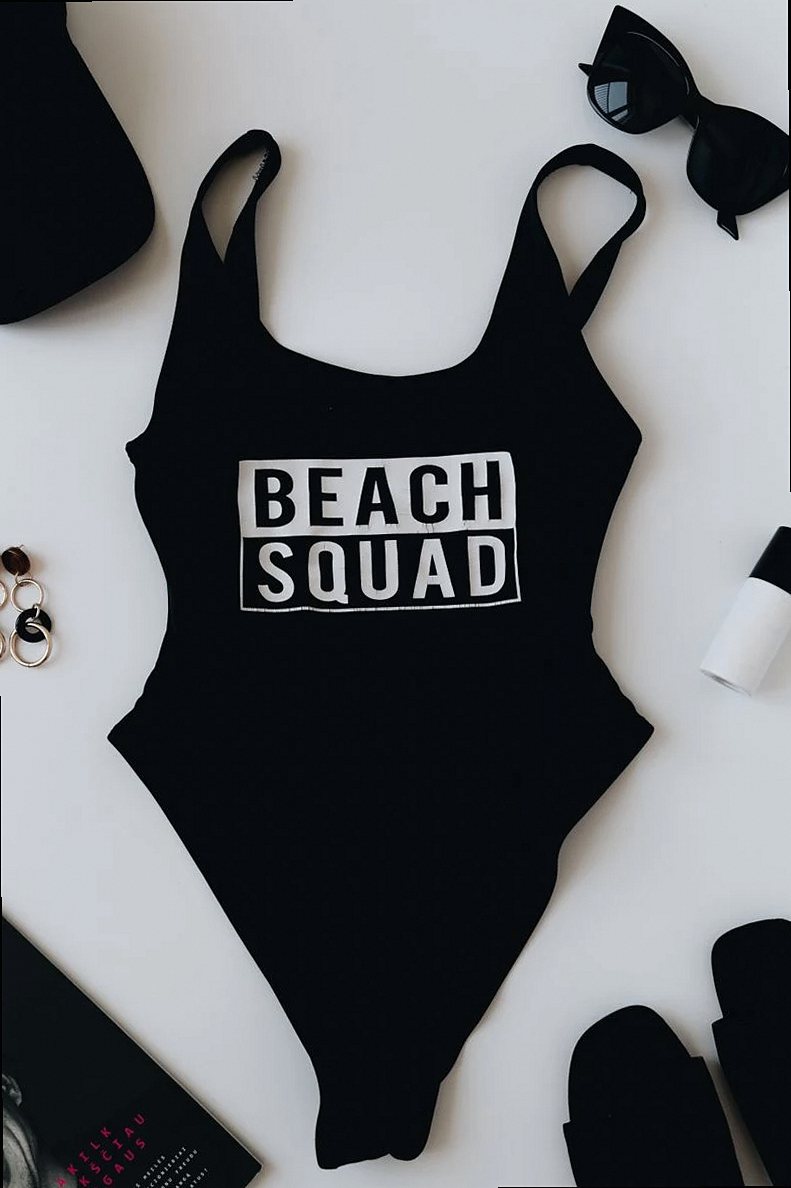
The cover-up is the most underwritten piece in beach fashion. It gets a paragraph in most swimwear features and then disappears. But for anyone spending time at a Japanese coastal resort. Where the distance between the beach and a restaurant or a shrine is often very short. The cover-up is doing a lot of work, and it is worth thinking about carefully.
The proportions question
The most common mistake with a cover-up is choosing one that fights the swimwear underneath rather than working with it. A high-cut brief reads very differently under a cropped shirt than under a long kaftan, and neither is wrong. But the combination needs to be intentional. The general principle is that the cover-up should either clearly cover or clearly not cover; the ambiguous middle ground tends to look unresolved.
For a one-piece swimsuit, a wide-leg trouser or a long linen shirt works well because the swimsuit provides a clean top layer and the cover-up adds volume below. For a bikini, the options are wider: a short wrap skirt keeps the proportions light, while a full-length dress shifts the whole look toward evening.
Fabric for Japan's summer humidity
Japan's coastal summer is humid in a way that makes some cover-up fabrics impractical. Heavy cotton takes a long time to dry and becomes uncomfortable quickly. Linen is better. It breathes well and dries faster, and the slight stiffness that some people dislike in linen actually helps it hold its shape in humid conditions.
Gauze cotton (known in Japan as washi-gauze or double-gauze) is a particularly good option for beach layering. It is light enough to wear over a wet swimsuit without feeling heavy, dries quickly, and is widely available from Japanese brands at reasonable prices. Several of the brands we have covered in recent issues use double-gauze for their cover-up ranges.
Beach to town: what actually works
The beach-to-town transition at a Japanese coastal resort typically involves a short walk or a brief drive, which means the cover-up needs to work for movement as well as for sitting. A wrap skirt that stays tied while walking is more useful than one that requires constant adjustment. Slip-on sandals that can be worn on both sand and pavement are more practical than dedicated beach sandals that look wrong in a restaurant.
The goal is not to look like you have just come from the beach. It is to look like you are dressed for a warm afternoon near the sea, which is a slightly different thing. The distinction is mostly in the details: a clean cover-up, sandals that work on pavement, a bag that is not visibly full of sand.
Resort layering is a practical problem as much as an aesthetic one. The right cover-up for Japan's summer coast is the one that dries quickly, moves well, and does not require you to think about it once you have put it on.